Unveil the Majestic Beauty of the Alps and the Dolomites! Explore breathtaking landscapes and thrill your senses. Your mountain escape awaits!
Italian Alps and the Dolomites: A Symphony of Nature and Culture
Italy, renowned for its art, history, and cuisine, is also home to some of Earth’s most breathtaking natural landscapes. Among these, the Italian Alps and the Dolomites are jewels in the country’s crown. We’ll embark on a journey to explore the geographical wonders, cultural richness, and outdoor adventures that await in these iconic mountain ranges.
Overview
- 1. Geographical Features of Alps and the Dolomites
- 2. Flora and Fauna in Alps and the Dolomites
- 3. Outdoor Activities in Alps and the Dolomites
- 4. Historical and Cultural Significance in the Alps and the Dolomites
- 5. Picturesque Villages in the Alps and the Dolomites
- 6. Culinary Delights in the Alps and the Dolomites
- 7. Best Times to Visit in the Alps and the Dolomites
- 8. Sustainable Tourism in the Alps and the Dolomites
- 9. Popular Tourist Routes in the Alps and the Dolomites
- 10. Weather and Climate in the Alps and the Dolomites
- 11. Local Festivals and Events in the Alps and the Dolomites
- 12. Tips for Travelers for the Alps and the Dolomites
1. Geographical Features of Alps and the Dolomites

Overview of the Italian Alps
The Italian Alps, part of the larger Alpine range, stretch across the northern border of Italy. Majestic peaks, deep valleys, and pristine lakes characterize this region, attracting nature enthusiasts and adventure seekers alike.
Unique characteristics of the Dolomites
Distinctive for their pale limestone peaks, the Dolomites form a section of the Southern Limestone Alps. This UNESCO World Heritage Site boasts a surreal, almost otherworldly landscape with vertical walls, sheer cliffs, and expansive plateaus.
Back to Top2. Flora and Fauna in Alps and the Dolomites

Breathtaking biodiversity in the Italian Alps
The Italian Alps are a haven for biodiversity, with a rich tapestry of alpine flora and diverse wildlife. From rare orchids to elusive ibex, the region showcases the wonders of nature in every season.
Wildlife in the Dolomites
Despite their rugged terrain, the Dolomites host various wildlife, including chamois, marmots, and golden eagles. Exploring these mountains offers not only scenic vistas but also encounters with fascinating fauna.
Back to Top3. Outdoor Activities in Alps and the Dolomites

Skiing and snowboarding in the Italian Alps
Winter enthusiasts flock to the Italian Alps for world-class skiing and snowboarding. With resorts like Cortina d’Ampezzo and Courmayeur, the region provides a snowy playground for adrenaline junkies.
Hiking and climbing in the Dolomites
During the warmer months, the Dolomites become a paradise for hikers and climbers. Trails meander through flower-strewn meadows and ascend to towering peaks, offering challenges for all skill levels.
Back to Top4. Historical and Cultural Significance in the Alps and the Dolomites

The rich history of the Italian Alps
The Italian Alps have witnessed centuries of human history, from ancient Roman trade routes to the challenges faced by mountaineers like Reinhold Messner. Furthermore, historical sites dot the landscape, telling tales of bygone eras.
Cultural heritage of the Dolomites
The Dolomites are not just a feast for the eyes; they also carry a rich cultural heritage. Moreover, Ladin traditions, charming hamlets, and medieval castles contribute to the unique character of this mountainous region.
Back to Top5. Picturesque Villages in the Alps and the Dolomites

Charming villages in the Italian Alps
The Italian Alps are home to some of the most picturesque villages, surrounded by stunning mountain landscapes. Here are a few charming towns that offer a perfect blend of natural beauty and traditional architecture:
Bormio
Nestled in the Lombardy region, Bormio is renowned for its thermal baths and medieval architecture. Additionally, the backdrop of the Stelvio National Park adds to the village’s allure.
Orta San Giulio
Located on the shores of Lake Orta, this village boasts cobbled streets and pastel-colored buildings. Furthermore, the island of San Giulio in the middle of the lake is an additional enchanting feature.
Limone Piemonte
Positioned in the Maritime Alps, Limone Piemonte is a delightful village known for its charming ski resorts and historic town center. Additionally, the surrounding mountains provide a spectacular setting.
Cogne
Tucked away in the Aosta Valley, Cogne is a postcard-perfect village surrounded by glaciers and alpine meadows. Furthermore, it serves as a gateway to the Gran Paradiso National Park.
Positano
While Positano is more famous for its coastal beauty, it also has a mountainous backdrop that includes parts of the Italian Alps. Also, the village is characterized by colorful buildings built into the cliffs.
Courmayeur
Positioned at the foot of Mont Blanc, Courmayeur is a popular destination for both winter and summer activities. The charming alpine architecture and the surrounding peaks create a picturesque atmosphere.
Castelrotto (Kastelruth)
Located in the South Tyrol region, Castelrotto is a charming village with a backdrop of the Dolomites. The surrounding meadows and forests make it an ideal destination for nature lovers.
Canazei
Situated in the heart of the Dolomites, Canazei is a beautiful village that serves as a gateway to the Sella Ronda ski circuit. The dramatic peaks of the Dolomites create a stunning panorama.
Alagna Valsesia
Nestled in the Valsesia Valley, this village offers a perfect blend of alpine charm and access to the Monterosa Ski area. The traditional Walser architecture adds to the village’s appeal.
Malcesine
While located near Lake Garda, Malcesine has a picturesque mountain backdrop. The Scaliger Castle and narrow streets add to the village’s medieval charm.
Exploring these villages in the Italian Alps allows visitors to experience the beauty of the mountains while immersing themselves in the rich culture and history of these charming locales.
Unique settlements in the Dolomites
The Dolomites, a UNESCO World Heritage Site, are known for their distinctive jagged peaks and stunning landscapes. Nestled within this mountain range are unique settlements that offer a blend of Alpine charm and cultural richness. Here are some unique settlements in the Dolomites:
Cortina d’Ampezzo
Often referred to as the “Queen of the Dolomites,” Cortina d’Ampezzo is a glamorous resort town with a mix of Italian and Austrian influences. It’s a hub for skiing, hiking, and luxurious living, surrounded by towering peaks.
Alleghe
Situated along the shores of Lake Alleghe, the Civetta mountain range surrounds this charming village. The lake reflects the stunning peaks, creating a picturesque setting for visitors.
San Martino di Castrozza
Nestled in the heart of the Dolomites, San Martino di Castrozza is a popular destination for outdoor enthusiasts. The Pale di San Martino mountain group provides a breathtaking backdrop.
Canazei
Positioned at the confluence of the Fassa and Avisio rivers, Canazei is a lively village and a gateway to the Sella Ronda ski circuit. The majestic peaks of the Dolomites, including the Marmolada, surround the area.
Corvara in Badia
Corvara is a charming village in the Alta Badia region that is a starting point for exploring the Dolomites. It’s known for its traditional Ladin culture and its position at the foot of the Sassongher peak.
Sesto (Sexten)
Surrounded by the Tre Cime di Lavaredo, Sesto is a picturesque village in the Puster Valley. The striking rock formations of the Tre Cime create a dramatic backdrop for this Alpine settlement.
Selva di Val Gardena
Selva is a popular destination for winter and summer activities in the Val Gardena Valley. Moreover, the traditional Tyrolean architecture and the impressive Langkofel and Sella Group peaks make it a unique settlement.
Moena
Known as the “Fairy of the Dolomites,” Moena is a charming village in the Fassa Valley. Dense forests and the peaks of the Rosengarten group surround the village.
Arabba
Nestled at the foot of the Sella Group, Arabba is a small village with a big reputation among skiers. Furthermore, it’s a key point in the Sella Ronda ski circuit and offers stunning views of the Dolomite peaks.
Dobbiaco (Toblach)
Located in the Puster Valley, Dobbiaco is known for its picturesque setting at the northern end of Lake Dobbiaco. The nearby Tre Cime di Lavaredo and the Dolomites provide a breathtaking backdrop.
Back to Top6. Culinary Delights in the Alps and the Dolomites

Traditional dishes of the Italian Alps
The hearty cuisine of the Italian Alps reflects the mountainous environment. Polenta, hearty stews, and alpine cheeses satisfy the palate, offering a taste of the region’s culinary traditions.
Additionally, the Italian Alps boast a rich culinary tradition that reflects the region’s local ingredients and cultural influences. Here are some traditional dishes from the Italian Alps:
Polenta
A staple in Alpine cuisine, polenta is a dish made from coarsely ground yellow or white cornmeal. It is often served as a side dish and can be paired with various toppings or accompaniments.
Speck
Speck is a type of cured and smoked ham originating from the South Tyrol region. It is often sliced thinly and served as an appetizer or in sandwiches. The smoking process gives it a distinctive flavor.
Goulash
Influenced by neighboring Austria, goulash is a hearty stew made with beef, onions, potatoes, and a flavorful paprika-based broth. It’s a warming dish that is perfect for the Alpine climate.
Canederli
Canederli is dumplings made from leftover bread, milk, eggs, and other ingredients such as speck, cheese, or herbs. Moreover, they are typically boiled and served in broth or with sauces.
Risotto with Porcini Mushrooms
The Italian Alps are known for their abundance of wild mushrooms, and risotto with porcini mushrooms is a popular dish highlighting the earthy flavors of these prized fungi.
Pizzoccheri
Originating from the Valtellina region, pizzoccheri is a type of pasta made with buckwheat flour. It is often served with a hearty sauce made from cabbage, potatoes, garlic, and cheese.
Alpine Cheese Fondue
Fondue is enjoyed in various Alpine regions, and in the Italian Alps, it often features a combination of local cheeses, white wine, and garlic. Additionally, diners dip bread into the melted cheese using long forks.
Tirtelen
Hailing from the Dolomites, tirtelen are small, fried pastries filled with a sweet or savory mixture. The filling can include ingredients like apples, ricotta, or sauerkraut.
Mocetta
Mocetta is an air-dried and cured meat, often made from beef or chamois. It is seasoned with herbs and spices, then air-dried to create a flavorful and preserved meat.
Strudel
Popular in the Alpine regions, strudel is a pastry filled with ingredients such as apples, berries, or nuts. It may also include spices and is typically served as a dessert.
Gastronomic experiences in the Dolomites
In the Dolomites, gastronomy reaches new heights. Local specialties like Canederli (bread dumplings) and Casunziei (filled pasta) showcase the fusion of Alpine and Mediterranean influences.
Furthermore, the Dolomites offer a gastronomic experience, combining Alpine traditions with Italian influences. Here are some delightful gastronomic experiences to savor in the Dolomites:
Alpine Hut Dining
Experience the charm of dining in a traditional alpine hut (rifugio). These mountain refuges offer authentic dishes like polenta, canederli (dumplings), and hearty soups. The panoramic views of the surrounding peaks add to the dining experience.
Ladin Cuisine
Explore the unique Ladin cuisine, which reflects the cultural heritage of the Dolomite valleys. Try specialties like barley soup, crafuncins (filled pasta), and sweet treats such as strudel.
Mountain Cheeses
Indulge in the variety of mountain cheeses produced in the region. Taste local cheeses like Puzzone di Moena, Casunziei, and Trentingrana. Many areas have cheese festivals where you can sample and purchase these artisanal delights.
Wine Tasting in the Vineyards
Visit the South Tyrol region’s vineyards, particularly around Bolzano and Merano’s towns—sample local wines such as Gewürztraminer, Lagrein, and Schiava, which thrive in the Alpine climate.
Gourmet Restaurants in Alpine Villages
Explore gourmet restaurants in charming Alpine villages. Many establishments blend traditional flavors with modern techniques, offering dishes that showcase local ingredients with a contemporary twist.
Ski Hut Dining
After a day on the slopes, stop at one of the cozy ski huts for a warm and satisfying meal. Enjoy classic comfort food like hearty stews, grilled sausages, and a selection of local cheeses.
Back to Top7. Best Times to Visit in the Alps and the Dolomites

Ideal seasons for exploring the Italian Alps
While winter attracts snow sports enthusiasts, summer and early fall provide perfect conditions for hiking and sightseeing. Each season unveils a different facet of the Italian Alps’ beauty.
Recommended periods for visiting the Dolomites
Late spring to early autumn is the prime time to explore the Dolomites. The mild weather allows for comfortable outdoor activities, and the landscapes burst into a riot of colors.
Back to Top8. Sustainable Tourism in the Alps and the Dolomites

Efforts for sustainability in the Italian Alps
Recognizing the fragility of mountain ecosystems, initiatives in the Italian Alps focus on sustainable tourism practices. Conservation efforts and responsible tourism help preserve the natural beauty of the region.
Conservation initiatives in the Dolomites
Preserving the unique ecology of the Dolomites is a priority. Additionally, local communities and environmental organizations work together to maintain a delicate balance between tourism and the protection of this UNESCO-designated site.
Back to Top9. Popular Tourist Routes in the Alps and the Dolomites
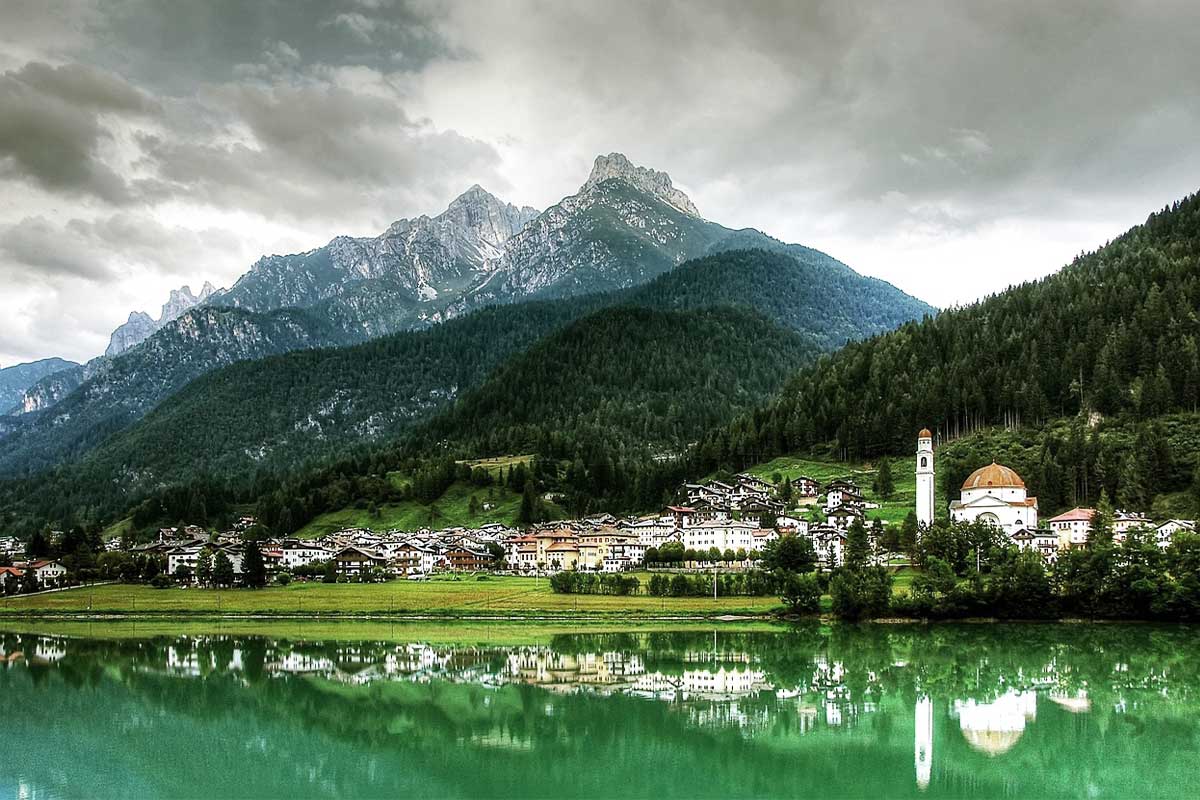
Must-visit spots in the Italian Alps
From the iconic Matterhorn to the serene Lake Como, the Italian Alps boast must-visit locations that captivate the imagination. Each destination offers a distinct experience, making the journey as memorable as the destination.
Lake Como
While not in the heart of the Alps, Lake Como is surrounded by mountains and provides a picturesque setting. Moreover, the town of Bellagio is renowned for its charm, and the lake itself offers opportunities for boat rides and lakeside strolls.
Aosta Valley
This region is surrounded by some of the highest peaks in the Alps, including Mont Blanc and the Matterhorn. Furthermore, the main town of Aosta has Roman ruins and medieval architecture. The valley is also a gateway to numerous hiking and skiing destinations.
Cortina d’Ampezzo
A fashionable resort town in the Dolomites, Cortina d’Ampezzo is known for its stunning scenery, luxury boutiques, and winter sports facilities. Additionally, the nearby Tofane Mountains offer challenging skiing and hiking trails.
Stelvio Pass
One of the highest paved mountain passes in the Alps, the Stelvio Pass offers breathtaking views. Moreover, it is a paradise for motorcycle and sports car enthusiasts. The winding roads and high-altitude surroundings make it a must-visit for road trip enthusiasts.
Bormio
Bormio is a popular destination for winter sports and is also famous for its thermal baths. The ski resort of Bormio 2000 is well-regarded, and the town has a charming historic center.
Val Gardena
Nestled in the Dolomites, Val Gardena is a beautiful valley known for its wood carvings and winter sports. The villages of Ortisei, Selva di Val Gardena, and Santa Cristina offer a mix of traditional and outdoor activities.
Gran Paradiso National Park
Italy’s oldest national park, Gran Paradiso, is home to diverse flora and fauna, including ibex and chamois. Hiking trails lead to alpine lakes, glaciers, and panoramic viewpoints.
Lake Garda
Although not in the heart of the Alps, Lake Garda is surrounded by mountainous terrain. The northern part of the lake, in particular, offers a more alpine landscape. The town of Riva del Garda is a popular base for exploring the area.
Merano
Located in the South Tyrol region, Merano is known for its spa resorts and botanical gardens. Besides, mountains surround the town and offer a mix of Italian and Austrian influences.
Scenic routes through the Dolomites
Exploring the Dolomites involves traversing breathtaking routes like the Great Dolomites Road, Sella Ronda Circuit, Cortina d’Ampezzo to Misurina Loop, Alta Badia Loop, Giau Pass to Fedaia Pass, and Val di Funes Valley. Also, Every twist and turn of these roads reveals a new panorama, ensuring an unforgettable journey through this mountain paradise.
Back to Top10. Weather and Climate in the Alps and the Dolomites

Climatic conditions in the Italian Alps
The climatic conditions in the Italian Alps vary depending on the specific region, altitude, and time of year. Generally, the Italian Alps experience a mix of continental and alpine climates. Here are some key characteristics:
Temperature in the Alps
- Winters in the Italian Alps can be cold, with temperatures dropping well below freezing, especially at higher elevations.
- Summers are generally mild, but temperatures can vary and be more relaxed at higher altitudes.
Precipitation in the Alps
- The Italian Alps receive a significant amount of precipitation, particularly snow during the winter months. This makes the region famous for winter sports.
- The summer months may still see some precipitation, often rain, and it’s not uncommon to experience afternoon thunderstorms.
Snowfall in the Alps
- Snowfall is a significant feature of the climate, especially at higher elevations. The winter season, from December to March, is the prime time for snow sports in the Alps.
- Some areas, particularly higher altitudes, may have snow on the ground even in the summer months.
Altitude Variation of Alps
- The climate can vary considerably with altitude. Higher elevations are generally colder, and temperatures can drop significantly, even in the summer.
- The tree line is lower at higher altitudes, and alpine meadows are common in lower elevations.
Tourist Seasons in the Alps
- Summer (June to September) is famous for hiking, mountaineering, and other outdoor activities.
- Winter (December to February) attracts skiers and snowboarders to the numerous ski resorts in the region.
Weather Precautions in the Alps
- Visitors should be prepared for changing weather conditions, even during the summer. It’s advisable to bring layers, as temperatures can vary throughout the day.
- Snowfall and icy road conditions are common in winter, so it’s essential to be prepared for winter driving if exploring the region by car.
Seasonal variations in the Dolomites
The Dolomites experience distinct seasonal variations, each offering its own unique charm and activities. Here’s a brief overview of the seasonal changes in the Dolomite region:
Spring (March to May) in the Alps
- Spring in the Dolomites is a time of renewal. The snow melts, and the landscape comes to life with blooming flowers and trees.
- This season is ideal for hikers and nature enthusiasts as the trails become more accessible, and the weather is generally mild.
- The meadows are covered in colorful wildflowers, creating a picturesque setting.
Summer (June to August) in the Alps
- Summer is a popular time to visit the Dolomites, attracting outdoor enthusiasts for activities such as hiking, mountain biking, rock climbing, and Via Ferrata.
- The weather is generally warm during the day, with pleasant temperatures in the valleys. However, temperatures can vary, and it’s cooler at higher elevations.
- Summer also brings longer daylight hours, allowing for extended exploration of the stunning landscapes.
Autumn (September to November) in the Alps
- Autumn is a magical time in the Dolomites, marked by vibrant foliage as the deciduous trees change color.
- The weather remains relatively mild in September, making it an excellent time for hiking. As the season progresses, temperatures start to cool.
- The autumn landscape and fewer crowds create a serene and picturesque atmosphere.
Winter (December to February) in the Alps
- Winter transforms the Dolomites into a snowy wonderland, attracting winter sports enthusiasts worldwide.
- The region is famous for its ski resorts, offering downhill skiing, snowboarding, cross-country skiing, and snowshoeing opportunities.
- The mountain villages and towns celebrate the winter season with traditional events and festivals, creating a festive atmosphere.
Christmas Markets (Late November to December) in the Alps
- Many towns in the Dolomites host charming Christmas markets during late November and December, adding a festive touch to the region.
- Visitors can enjoy local crafts, traditional foods, and the magical ambiance of the holiday season against the backdrop of snow-covered landscapes.
It’s important to note that weather conditions in the Dolomites can be unpredictable, especially at higher altitudes. Visitors should be prepared for varying temperatures, and those engaging in winter activities should take appropriate safety measures. Overall, the Dolomites offer a diverse and stunning landscape throughout the year, making it a destination with something to offer in every season.
Back to Top11. Local Festivals and Events in the Alps and the Dolomites

Cultural celebrations in the Italian Alps
Local festivals in the Italian Alps celebrate traditions, music, and cuisine. Visitors can immerse themselves in the vibrant atmosphere of events like the Festa della Madonna Bruna in Aosta.
Annual events in the Dolomites
The Dolomites host events celebrating the mountain culture, from the Maratona dles Dolomites, a famous cycling race, to the Südtirol Jazz Festival. These events add a dynamic layer to the region’s cultural tapestry.
Back to Top12. Tips for Travelers for the Alps and the Dolomites

Travel Essentials for the Italian Alps
Packing essentials include layers for varying temperatures, sturdy hiking boots, and a camera to capture the stunning landscapes. It’s also advisable to check weather forecasts and trail conditions before setting out.
Handy tips for exploring the Dolomites
Exploring the Dolomites requires good physical fitness. Adequate hydration, sunscreen, and a trail map are essential for a safe and enjoyable adventure. Local guides can provide valuable insights into the region’s hidden gems.
We believe the Italian Alps and the Dolomites are a symphony of nature and culture. Whether you seek exhilarating outdoor activities, cultural immersion, or simply breathtaking landscapes, these mountain ranges deliver an unforgettable experience. Embrace the beauty, savor the flavors, and immerse yourself in the rich tapestry of Italy’s northern treasures.
Back to Top


